Ralph Lauren ProjectRalph Lauren sells more than clothing. It presents a world shaped by American heritage, classic style, craftsmanship, and a distinct vision of how life can be lived.
The challenge is translating that identity into a physical retail environment. Through architecture, materials, merchandise, and visual presentation, each store becomes an expression of the brand.
This research examines four dimensions of physical brand representation and considers how consistently the Ralph Lauren identity is communicated through the retail environment.
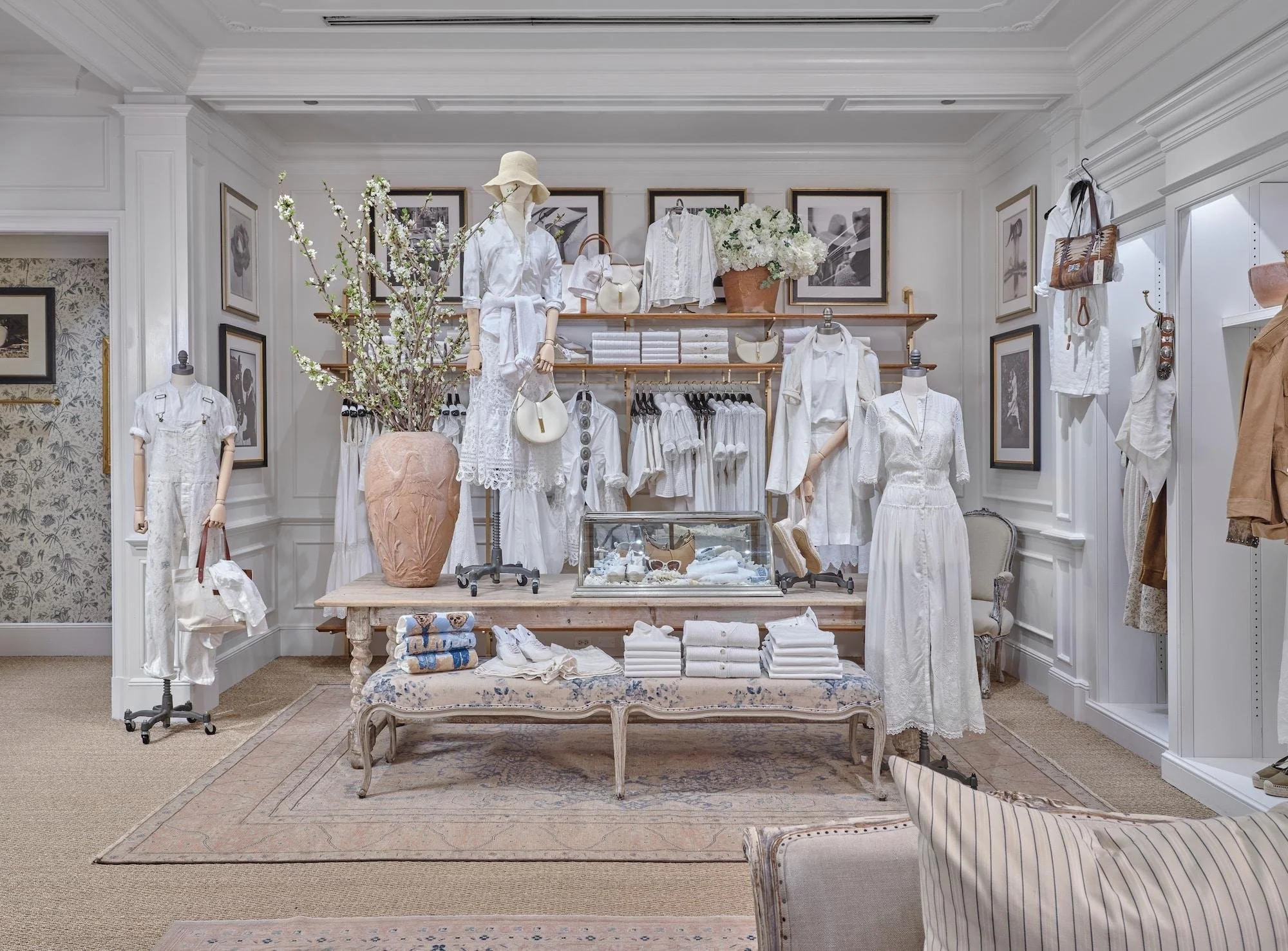
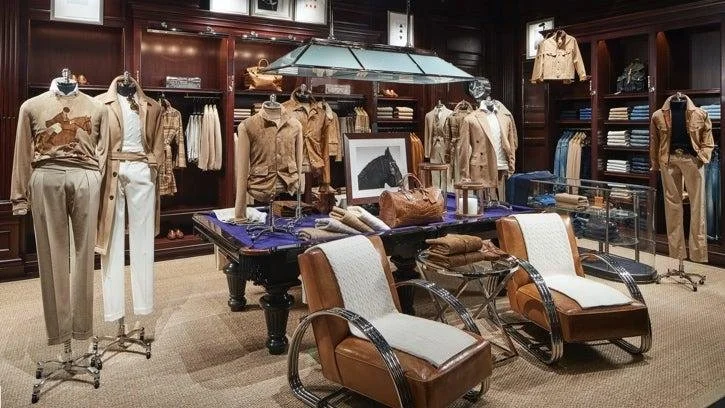
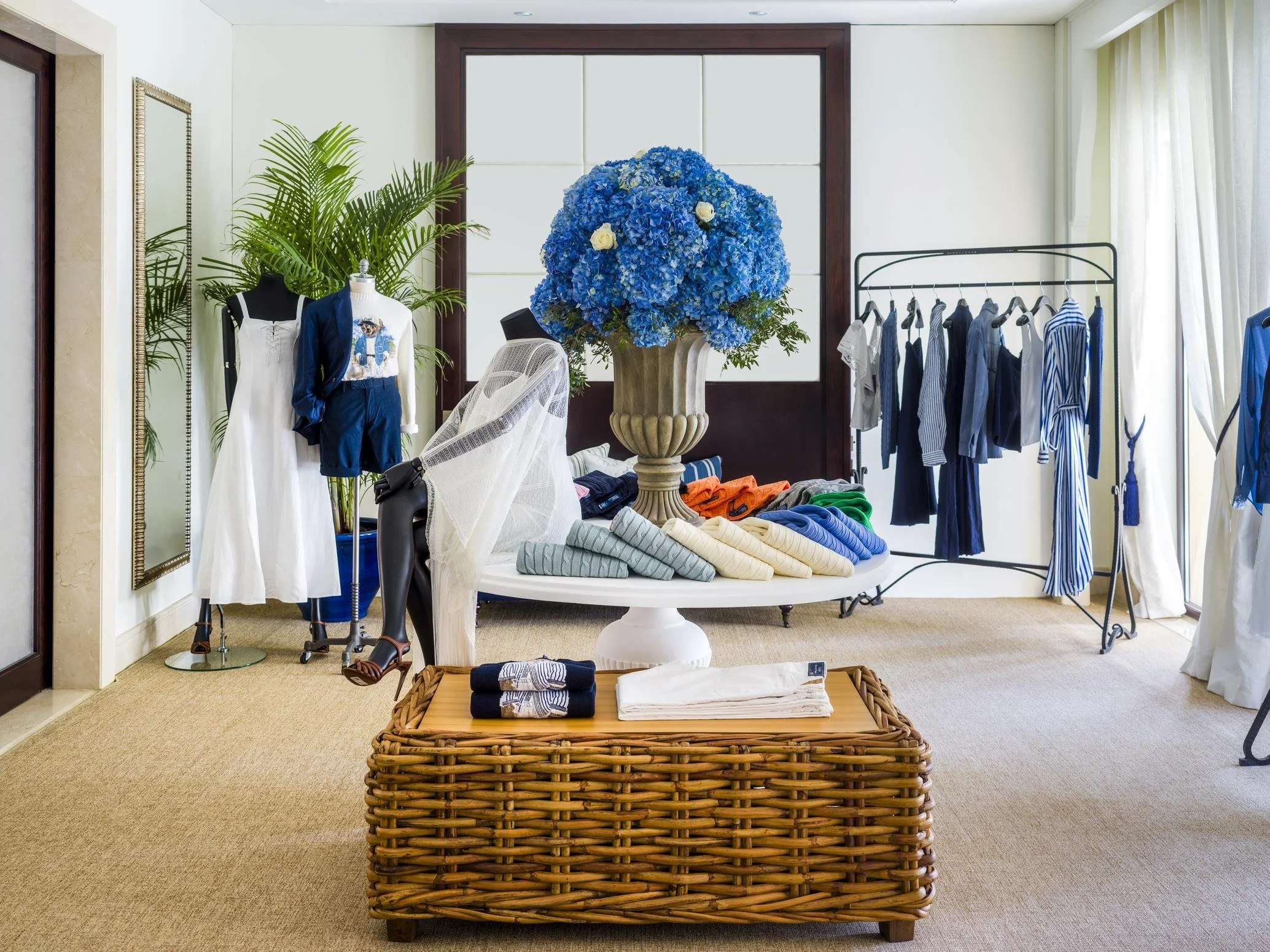
The 4 Experience Principles: Investigating What Speaks to the Brand Identity
The Retail Environment
1
A Ralph Lauren store should feel like an extension of the world the brand represents. Architecture, furnishings, lighting, and materials work together to establish a sense of heritage, sophistication, and permanence.
Wood, leather, brass, stone, and textiles can create depth and character when used with intention. Rather than feeling like a conventional retail space, the environment can evoke a carefully collected home, a private library, or an interior shaped by years of travel and tradition.
The objective is not simply to create a beautiful store. It is to ensure that the physical environment communicates a recognizable brand identity before a customer encounters a single product.
What to examine: Materials, lighting, furniture, fixtures, architectural details, signage, and the relationship between the store's design and the brand's identity.
Visual Storytelling
2
Ralph Lauren's identity is expressed through the relationships between products, not just through the products themselves.
A complete look, a carefully composed mannequin, or a window display can communicate an occasion, a setting, and a way of life. Color, proportion, layering, accessories, and surrounding objects help establish the story.
The strongest presentation makes the merchandise feel as though it belongs to a larger world. Each display should contribute to that narrative while allowing the products to remain clear and desirable.
The question is whether the visual presentation communicates a cohesive lifestyle or simply places merchandise on display.
What to examine: Window displays, mannequin styling, complete outfits, color stories, product groupings, props, and the relationship between individual displays and the wider store.
Merchandise Presentation
3
How merchandise is presented influences how customers perceive its quality, value, and place within the brand.
Spacing, arrangement, color coordination, folding, hanging, and the balance between featured products and supporting merchandise all contribute to the visual composition. A considered presentation gives customers a clear understanding of the collection without overwhelming the environment.
Product availability also plays a part. When key pieces, sizes, or colors are unavailable, the intended presentation may become harder to maintain. The relevant question is not simply how much stock is on the floor, but whether the available assortment supports the visual story.
What to examine: Product density, assortment visibility, organization, color balance, featured merchandise, and whether the available products support the intended presentation.
Consistency Across Locations
4
A recognizable brand identity must remain clear even as stores differ in size, location, architecture, and merchandise assortment.
Consistency does not require every store to look identical. It requires the defining elements of the brand to remain recognizable while allowing each environment to respond to its setting.
Materials, signage, fixtures, visual presentation, and the execution of display concepts all contribute to this balance. The challenge is maintaining the integrity of the brand's identity from the original creative vision through its physical execution.
What to examine: Recurring visual elements, signage, fixture standards, display execution, material choices, and how the brand adapts across different store formats.
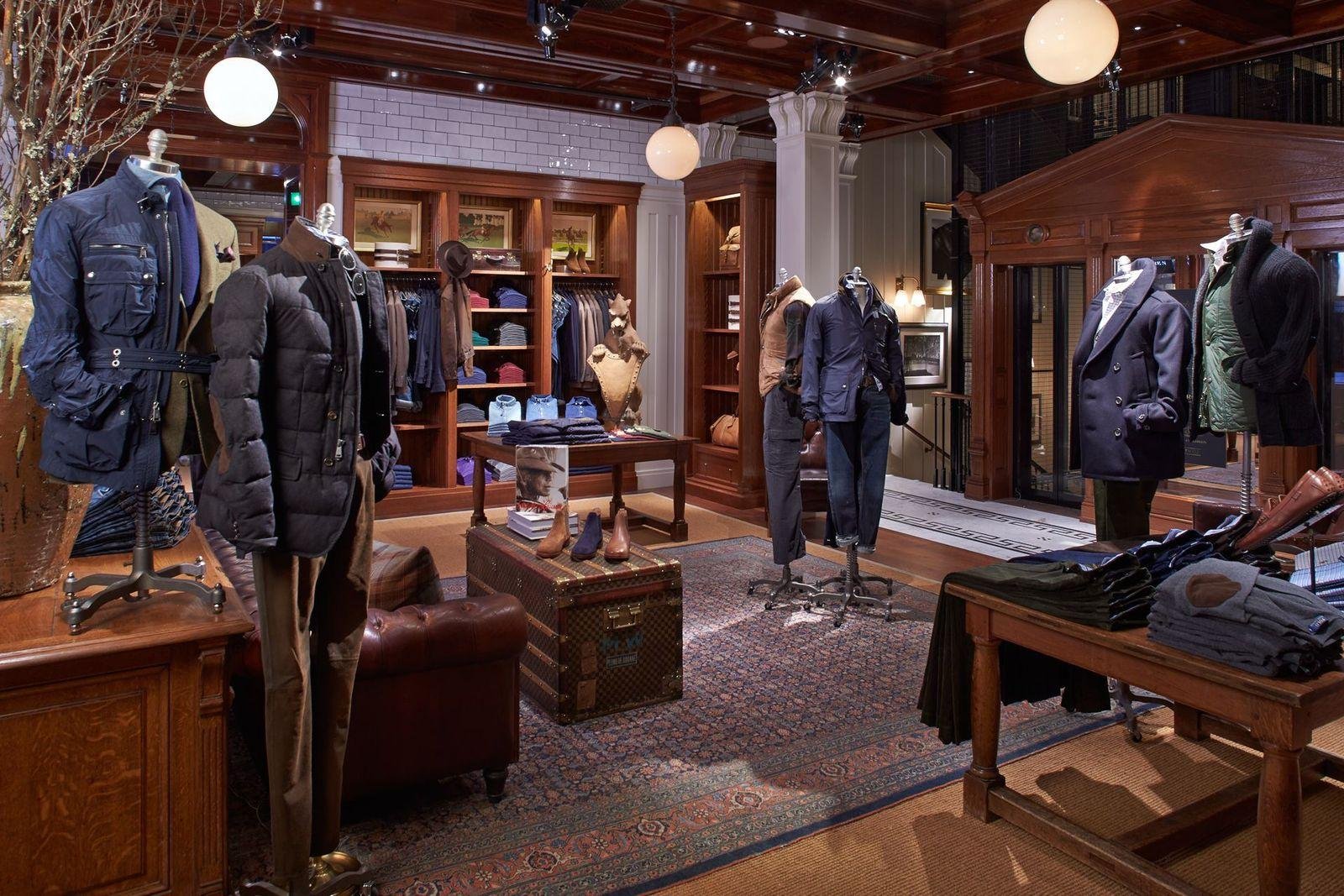
How effectively does Ralph Lauren translate its brand identity into a cohesive physical retail environment, and how can that identity remain recognizable across locations without losing its character?

The Discovery
Every event we host is designed with intention, from the atmosphere we create to the way each session flows.
Start Your Next Adventure
Welcome to a space designed for ideas that move people. With a focus on quality, clarity, and connection, we're here to help you make an impact that lasts.