A Simple Guide to the Bible Translations I Love
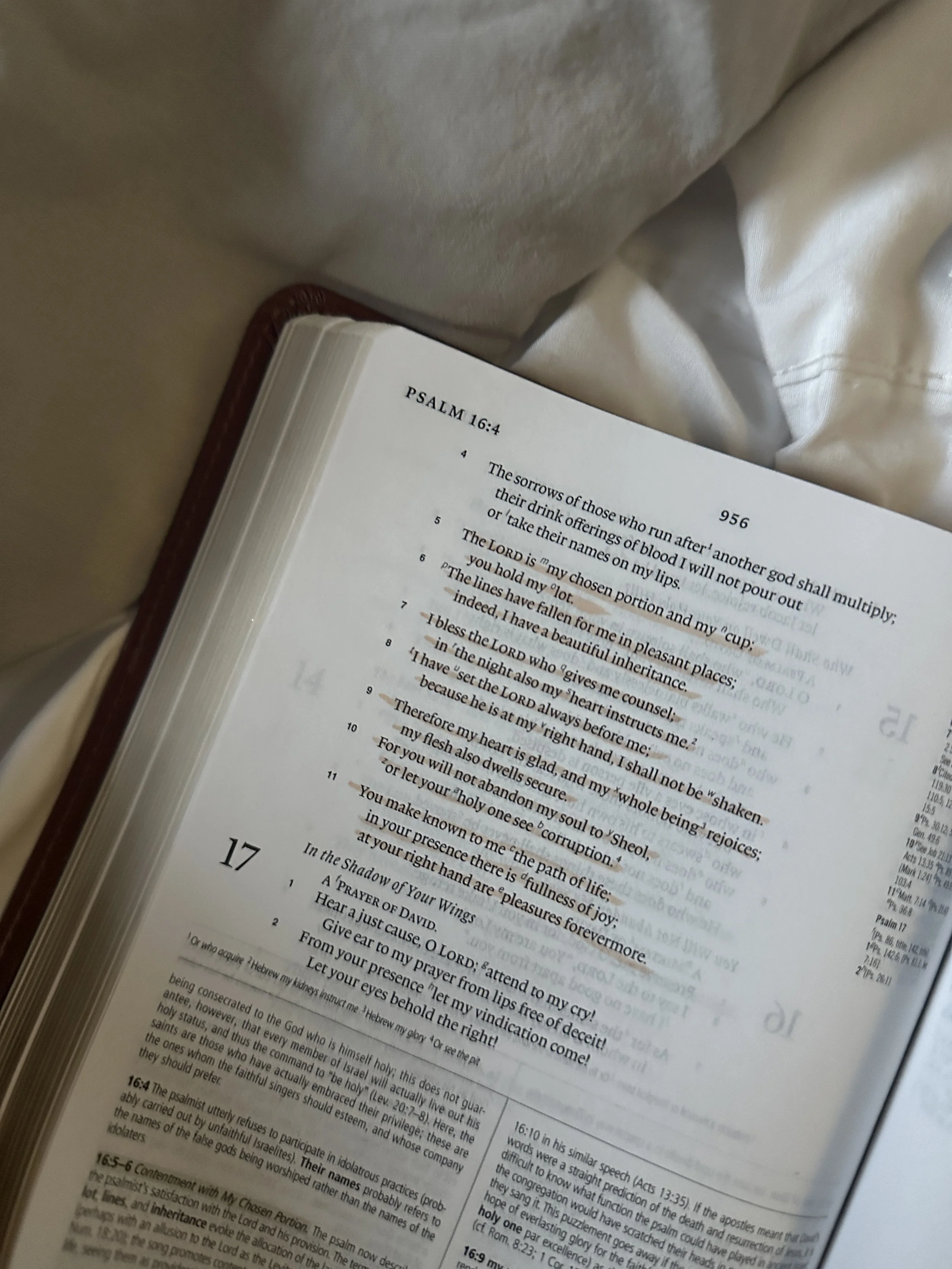
The best Bible is the one you will actually open.
There is no prize for owning the most beautiful Bible or having the most impressive study collection.
One of the questions I hear often is, “Which Bible should I read?”
And honestly, I understand the question. There are so many translations, study Bibles, editions, and covers to choose from that it can feel overwhelming; especially if you’re just beginning your faith journey.
I’ve personally owned and read three translations over the years: the NIV, NKJV, and ESV. Each one has served a different purpose for me, and I think there is value in all three depending on where you are in your walk with Christ and what you're hoping to get out of your reading.
So if you’re looking for a place to start, here are the three I would recommend.
1. NIV — Best for Getting Started
If you are a new Christian, or you're just beginning to explore your faith and relationship with Christ, the NIV (New International Version) is the one I would recommend starting with.
One of the things I love about the NIV is how approachable it is. The language is easy to understand without feeling like you're reading something completely removed from the original meaning of the text.
When you're first getting familiar with Scripture, I think accessibility matters. You don't want to spend so much time trying to understand the wording that you lose sight of what you're actually reading.
The NIV allows you to read Scripture in a way that feels natural and easy to absorb, which can make developing the habit of reading the Bible feel much less intimidating.
It's also a translation you'll often encounter in churches, Bible studies, and Christian resources, including many non-denominational churches, so it can be a helpful starting point if you're becoming familiar with the language of Scripture.
My recommendation: If you're new to Christianity or haven't developed a consistent habit of reading Scripture yet, start here.
You don't need to understand everything at once. Start reading. Get familiar with God's Word. Let the questions come as you grow.
2. NKJV — Best for a More Formal Reading Experience
My second recommendation is the NKJV (New King James Version), and this one holds a special place in my heart.
I absolutely love the formality of the NKJV and the way it speaks about God. There is something about the language that feels reverent, weighty, and powerful.
Compared with the NIV, the NKJV has a more traditional feel while still being much more accessible than older forms of English found in the original King James Version.
For me, the NKJV is beautiful to read slowly.
It’s a translation I enjoy when I want to sit with a passage, read it aloud, and really take in the language. There is a rhythm to it that can make familiar passages feel particularly moving.
I also think the NKJV is a great middle ground if you've grown comfortable with an easier-to-read translation like the NIV but want to begin experiencing a more formal style of biblical language.
My recommendation: If you appreciate beautiful, traditional language and want a Bible that feels reverent and substantial while remaining readable, I think you'll really enjoy the NKJV.
3. ESV — My Go-To for Bible Study
And finally, we have my personal go-to: the ESV (English Standard Version).
This is the Bible I tend to reach for when I want to study.
What I love about the ESV is that it lends itself so well to slowing down and digging deeper into the text. It is a more formal, word-for-word-oriented translation, which makes it one I particularly enjoy when I'm studying a passage carefully rather than simply reading through it.
My ESV Study Bible has become one of my favorite Bibles because of the depth of resources surrounding the biblical text. The notes, cross-references, introductions, maps, articles, and explanations give me context that I wouldn't necessarily have from simply reading the passage on its own.
It helps me ask better questions.
What was happening historically?
Who was this written to?
What does this particular word or passage mean in context?
How does this connect to other parts of Scripture?
And perhaps most importantly, what is the text actually saying?
That's one of the things I love most about studying Scripture. I'm not simply looking for a verse that makes me feel good that day. I want to understand God's Word in its proper context and allow Scripture to shape what I believe.
My recommendation: If you've been reading the Bible for a while and want to go deeper into Scripture, the ESV is a wonderful study companion.
So, Which One Should You Choose?
If you're still wondering which one to buy, here's how I would think about it:
New to Christianity or Scripture? → NIV
Start somewhere that feels approachable. The most important thing is that you actually open it and read.
Want something more formal and traditional? → NKJV
If you love beautiful language and a more reverent reading experience, this may be the one for you.
Want to study Scripture more deeply? → ESV
If you're ready to slow down, examine the text, look at cross-references, and dig into the context surrounding Scripture, this is my personal favorite.
And one last thing: don't let choosing the “perfect” Bible keep you from reading the Bible.
There is no prize for owning the most beautiful Bible or having the most impressive study collection.
The best Bible is the one you will actually open.
Start where you are. Read consistently. Ask questions. Pray for understanding. And as you grow in your walk with Christ, you may find that you naturally begin reaching for different translations for different reasons.
That's certainly been true for me.